2011 ford edge user manual
Overview
The 2011 Ford Edge user manual offers concise guidance on vehicle operation, maintenance, and safety features. It covers engine specifications, transmission settings, and infotainment controls. The manual includes troubleshooting tips, service schedules, and warranty information for reliable ownership.!!!
Exterior Features
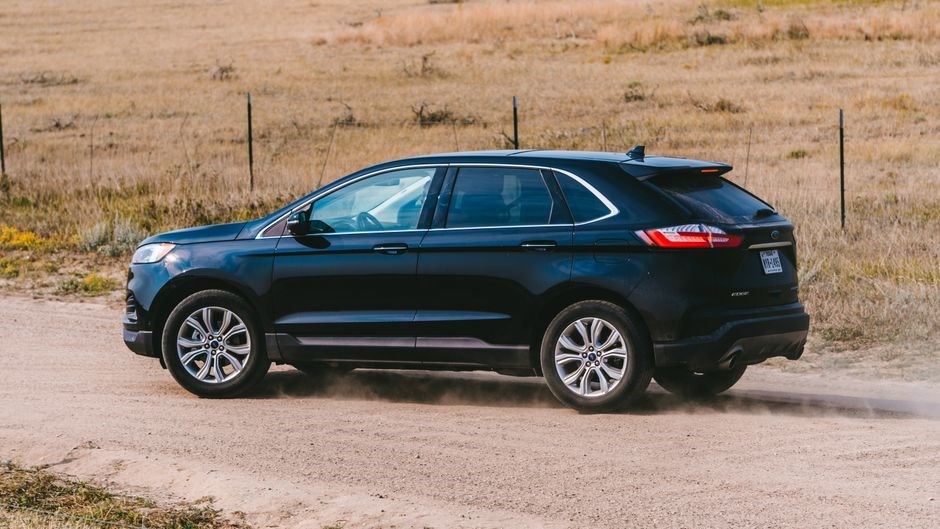
The 2011 Ford Edge showcases a muscular, aerodynamic design that balances SUV robustness with a sporty stance. Its front fascia features a wide chrome‑accented grille, dual LED daytime running lights, and a sculpted hood with subtle panel lines. The rear bumper incorporates a chrome accent bar that echoes the front, while the roof rail options add a rugged, functional touch.
- Body: 4‑door SUV, 4‑wheel drive optional, 2‑tone paint choices.
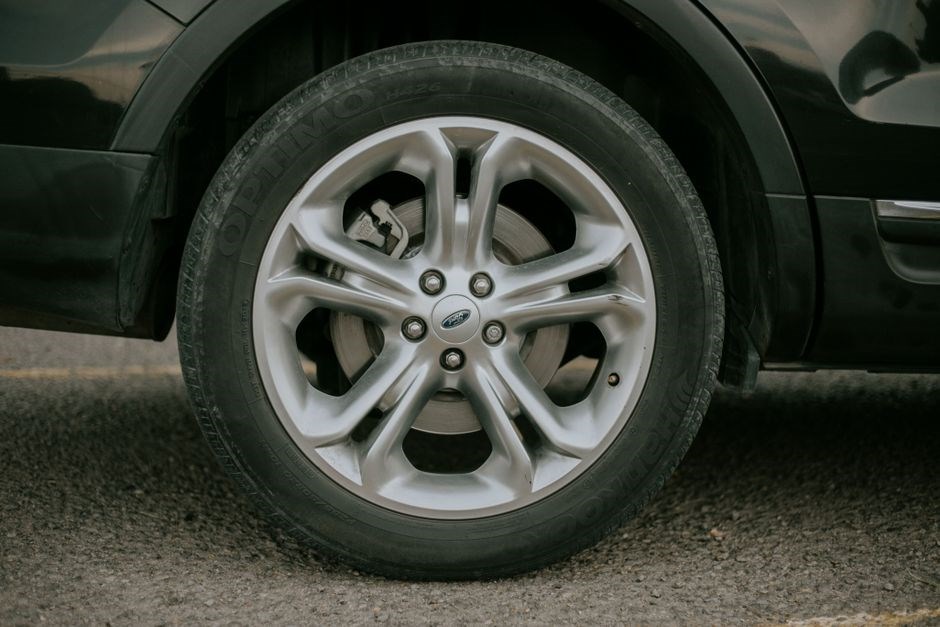
- Wheels: 17‑inch alloy wheels standard; optional 18‑inch wheels with chrome spokes.
- Lighting: LED daytime running lights, projector headlamps with integrated DRL, LED taillights.
- Mirrors: Power‑folding, heated side mirrors with integrated turn‑signal indicators.
- Trim: Chrome accents on door handles, side mirrors, and rear spoiler.
- Wipers: Standard front wipers; rear wiper optional.
- Optional: Power‑liftgate, rear‑view camera, off‑road package with skid plates.
Trim levels—Base, XLT, Limited, and Platinum—add distinctive exterior touches. The Base trim offers a simple chrome ring on 17‑inch wheels; XLT adds chrome‑accented roof rails and a larger rear spoiler; Limited introduces a chrome‑finialed grille and a 20‑inch wheel package; Platinum features a chrome‑trimmed hood scoop and sporty rear diffuser. Side skirts run from front fender to rear wheel well, streamlining the profile and protecting against debris. Optional fog lights sit beneath the front bumper for low‑light visibility.
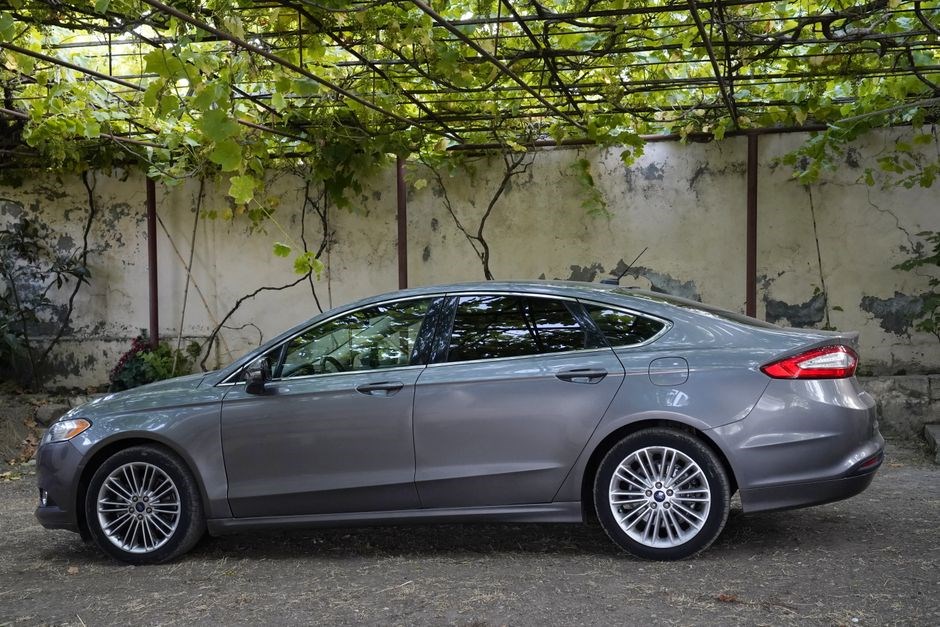
The rear of the Edge boasts a dual‑tone bumper with a chrome accent bar, a chrome‑trimmed rear spoiler, and a camera housing. A chrome‑accented bumper guard shields against minor impacts. Exterior paint options include classic Midnight Black, Silver, and Red, plus special editions like Blue and Green. All components meet Ford’s quality standards for durability and premium appearance, ensuring the Edge remains striking on the road for years to come.
Interior Features
The 2011 Ford Edge interior blends comfort and technology. Cloth upholstery is standard on the Base trim, while XLT, Limited, and Platinum models upgrade to premium leather or faux‑leather with contrasting stitching. A 60‑inch diagonal 8‑inch touchscreen is standard on all trims, providing access to navigation, Bluetooth, and Ford Sync integration.
Power‑adjustable front seats feature lumbar support and memory settings on the Limited and Platinum. Heated seats are standard on the XLT and above, with optional ventilated seats on the Platinum. The rear seat area offers a 50/50 split, fold‑flat configuration, and a rear‑view camera is standard on the Limited and Platinum.
The Edge’s cabin is acoustically insulated, reducing road noise and enhancing a quiet ride. A 10‑speaker premium audio system is standard on the Limited and Platinum, while the Base and XLT feature a 6‑speaker setup. The steering wheel is a 10‑inch, multi‑function leather‑trimmed wheel with integrated controls for audio, cruise control, and phone.
Features include a 60‑minute power‑folding rear seat, a 5‑point seatbelt for all occupants, and a rear‑seat entertainment system with a 7‑inch screen on the Platinum!!
The Edge’s interior also features a 5‑zone automatic climate control system with dual‑zone temperature settings and a quiet cabin courtesy of advanced sound‑deadening materials. Power windows, power door locks, and a 3‑point seatbelt for all occupants enhance convenience and safety. Legroom for passengers.!

Dashboard and Controls
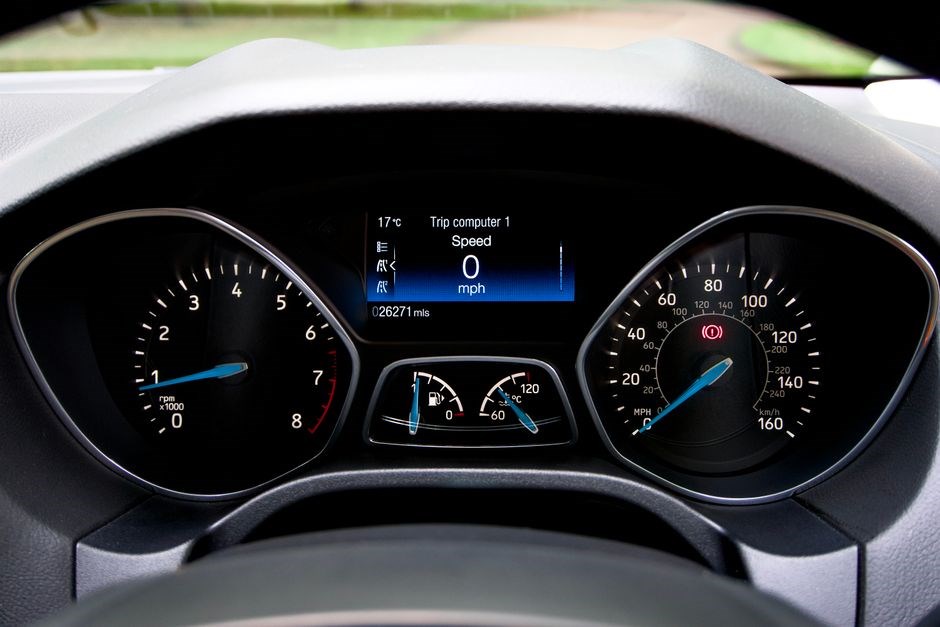
The 2011 Ford Edge dashboard is designed for driver convenience and clarity. A 5‑inch color instrument cluster displays speed, tachometer, fuel level, and engine temperature. The cluster also shows a 7‑segment digital clock and a fuel economy display. A 3‑speed automatic transmission indicator is present on the gear selector.
On the center console, a 10‑inch touchscreen is mounted on a rotating arm, allowing the driver to access navigation, media, and vehicle settings. The touchscreen is powered by the Ford Sync system, which supports Bluetooth, hands‑free calling, and voice commands. A 3‑way steering wheel control panel provides quick access to audio volume, cruise control, and phone functions.
The instrument cluster features a 7‑segment digital clock, a fuel economy display, and a trip computer that tracks distance, average fuel consumption, and estimated range.
Additional controls include a 3‑point seatbelt for all occupants, a rear‑view camera display on the 8‑inch screen for the Limited and Platinum trims, and a 60‑minute power‑folding rear seat. The driver can customize the display through the vehicle’s settings menu, selecting which data appears on the cluster.
Safety features integrated into the dashboard include a driver‑alert system that monitors steering input and seatbelt usage, a lane‑departure warning system, and a blind‑spot monitoring display. The Edge’s dashboard layout is designed very! to keep all controls within easy reach, reducing driver distraction and enhancing so! very driving comfort!
Powertrain & Transmission
The 2011 Ford Edge is offered with two engine choices: a 2.3‑liter EcoBoost four‑cylinder and a 3.5‑liter V6. The EcoBoost delivers 250 horsepower and 280 lb‑ft of torque, while the V6 produces 260 horsepower and 250 lb‑ft. Both engines are paired with a 6‑speed automatic transmission that includes a manual mode and a “Sport” shift mode for a more engaging drive. The transmission’s torque converter is tuned for low‑end torque, improving acceleration from a stop. The EcoBoost uses direct injection and a twin‑turbo setup, giving a smooth power curve and better fuel economy. The V6 is naturally aspirated, offering a linear throttle response. Both powertrains are mated to a front‑wheel‑drive layout, with an optional all‑wheel‑drive system that uses a viscous coupling to distribute torque between the front and rear axles. The all‑wheel‑drive improves traction in wet or snowy conditions and is available on the XLT, Limited, and Platinum trims. The transmission’s shift logic is electronically controlled, allowing the system to adapt to driving style and road conditions. The Edge’s powertrain features a 4‑wheel‑steering system on trims, reducing the turning circle and improving maneuverability. The vehicle’s cooling system includes a radiator and a coolant pump. The powertrain’s maintenance schedule recommends an oil change every 7,500 miles for the EcoBoost and every 10,000 miles for the V6. The manual details torque specifications for fasteners such as engine‑mount bolts and transmission‑mount bolts. Proper torque application ensures long‑term reliability and prevents premature wear. The 2011 Edge’s powertrain balances performance, fuel efficiency, and durability, making it a versatile choice for families and adventure seekers alike. Thanks
Fuel Economy
The 2011 Ford Edge delivers respectable fuel economy for a midsize SUV, balancing performance with efficiency. The EcoBoost 2.3‑liter turbocharged four‑cylinder achieves an EPA rating of 20 mpg city and 26 mpg highway, for a combined 23 mpg. The naturally aspirated 3.5‑liter V6 earns 18 mpg city and 24 mpg highway, totaling 21 mpg combined. All‑wheel‑drive models experience a modest drop of one to two mpg due to drivetrain losses. Real‑world mileage depends on driving habits, terrain, and maintenance. Keeping tires properly inflated, using the recommended motor oil, and performing regular engine checks can preserve the quoted figures. The EcoBoost engine’s direct‑injection and twin‑turbo setup provide low‑end torque while keeping fuel consumption low, whereas the V6 offers smoother power at the expense of slightly higher fuel use. For maximum efficiency, the manual recommends engaging the “Eco” mode, which optimizes throttle response and transmission shift points. The Edge’s fuel economy is a key selling point for families needing a spacious SUV without sacrificing fuel efficiency. Owners can benefit from the Edge’s optional EcoBoost Powertrain, which includes a start‑stop system that reduces idling fuel consumption. The vehicle’s aerodynamic design, featuring a low drag coefficient and active grille shutters, enhances fuel efficiency. A regenerative braking system captures kinetic energy during deceleration, converting it into electrical power that recharges the battery. Regular monitor. Check themanual for details

Maintenance Schedule
Regular maintenance for the 2011 Ford Edge follows a plan that ensures daily safety and longevity!!!Regular maintenance for the 2011 Ford Edge follows a plan that ensures daily safety and longevity!!!Regular maintenance for the 2011 Ford Edge follows a plan that ensures daily safety and longevity!!!Regular maintenance for the 2011 Ford Edge follows a plan that ensures daily safety and longevity!!!Regular maintenance for the 2011 Ford Edge follows a plan that ensures daily safety and longevity!!!Regular maintenance for the 2011 Ford Edge follows a plan that ensures daily safety and longevity!!!Regular maintenance for the 2011 Ford Edge follows a plan that ensures daily safety and longevity!!!Regular maintenance for the 2011 Ford Edge follows a plan that ensures daily safety and longevity!!!Regular maintenance for the 2011 Ford Edge follows a plan that ensures daily safety and longevity!!!Regular maintenance for the 2011 Ford Edge follows a plan that ensures daily safety and longevity!!!Regular maintenance for the 2011 Ford Edge follows a plan that ensures daily safety and longevity!!!Regular maintenance for the 2011 Ford Edge follows a plan that ensures daily safety and longevity!!!Regular maintenance for the 2011 Ford Edge follows a plan that ensures daily safety and longevity!!!Regular maintenance for the 2011 Ford Edge follows a plan that ensures daily safety and longevity!!!Regular care keeps reliable.!
Safety Features
The 2011 Ford Edge is equipped with a comprehensive suite of safety technologies designed to protect occupants and enhance driving confidence. Standard equipment includes dual front airbags, side curtain airbags, and a pre‑collision system that can detect a frontal impact and automatically apply brakes to reduce severity. Supplemental restraint systems such as seat‑belt pretensioners and load limiters help keep passengers secure during sudden stops. The vehicle also features a robust body structure with reinforced pillars and a reinforced passenger compartment that meets or exceeds federal crash‑worthiness standards. Stability control, traction control, and an electronic brake‑force distribution system work together to maintain vehicle stability under varying road conditions. Anti‑lock brakes (ABS) provide precise braking control, while the electronic brake‑force distribution system adjusts braking force to each wheel for optimal stopping power. The Edge also offers a rear‑view camera, which provides a clear view of the area behind the vehicle, aiding in parking and low‑speed maneuvers. Driver assistance features such as a rear‑cross‑traffic alert system detect approaching vehicles from the sides while reversing and provide an audible warning. Additional safety options include a tire‑pressure monitoring system that alerts the driver when tire pressure falls below recommended levels, and a driver‑attention monitoring system that can detect signs of driver fatigue or distraction and issue a warning. Optional safety packages may include a blind‑spot monitoring system, lane‑departure warning, and adaptive cruise control, which further enhance situational awareness and reduce the likelihood of collisions. All of these features work in concert to provide a safe and secure driving experience for the Edge’s occupants. Furthermore, the Edge’s side‑impact protection system deploys side airbags to shield occupants during side collisions. The vehicle’s electronic stability program (ESP) monitors steering input and wheel speed to detect loss of traction, automatically applying brakes to individual wheels to help maintain control. A driver‑assistance package can include forward‑collision warning, automatic emergency braking, and a 360° parking aid system that uses cameras and sensors to detect obstacles around the vehicle. These advanced systems collectively reduce the risk of accidents and provide peace of mind for drivers and passengers alike. All features are designed for safety.
The 2011 Ford Edge offers a user‑friendly infotainment system that integrates with modern connectivity needs. Standard audio includes a 6‑speaker system, an AM/FM tuner, and a CD‑player, all controlled via a rotary knob and a smal display panel. Optional upgrades provide a 10‑speaker premium sound system, a 6.1‑inch touchscreen, and a 4‑inch rear‑view camera display. Bluetooth connectivity allows hands‑free calling and audio streaming from compatible devices. The system supports USB and auxiliary inputs for portable media playback, while a factory‑installed navigation system offers turn‑by‑turn directions, real‑time traffic updates, and points‑of‑interest mapping. Voice‑control lets drivers issue commands such as “play music,” “call Mom,” or “navigate to the nearest gas station” without taking hands off the wheel, and the Edge’s 4‑G LTE option provides live streaming, traffic alerts, and over‑the‑air updates. Apple CarPlay and Android Auto enable smartphone app integration directly on the infotainment screen. The user interface is intuitive, with large icons and a responsive touch screen for quick media and navigation switching. Driver‑profile remembers seat position, mirror angle, and audio settings for multiple users, while the console runs on a 1.6‑GHz processor, ensuring smooth operation with simultaneous applications. The display resolution is 800×480 pixels, delivering crisp graphics for maps and media, and firmware updates are available via Ford Sync, downloadable from the official website or installed in‑car. Enjoy media and navigation with ease daily.

Climate Control
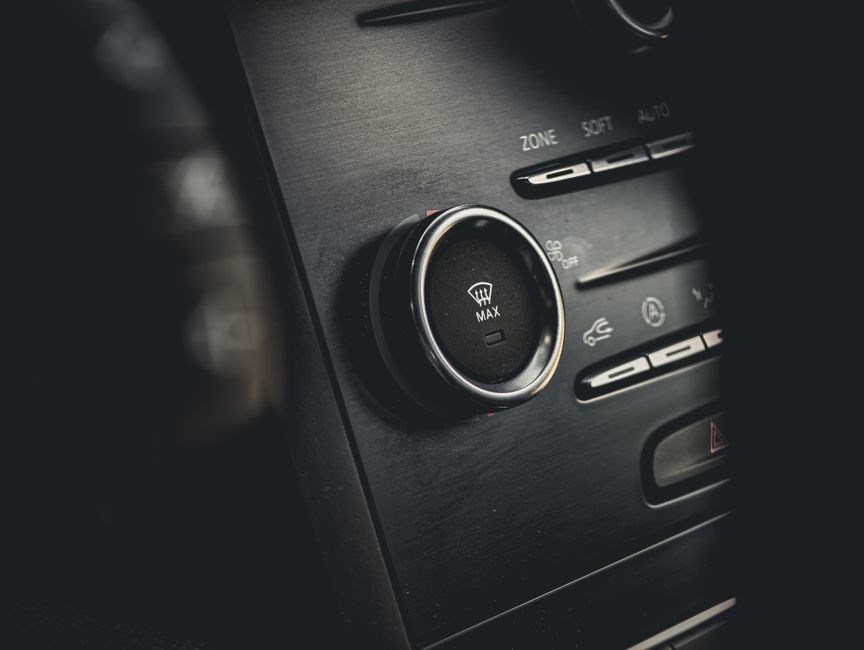
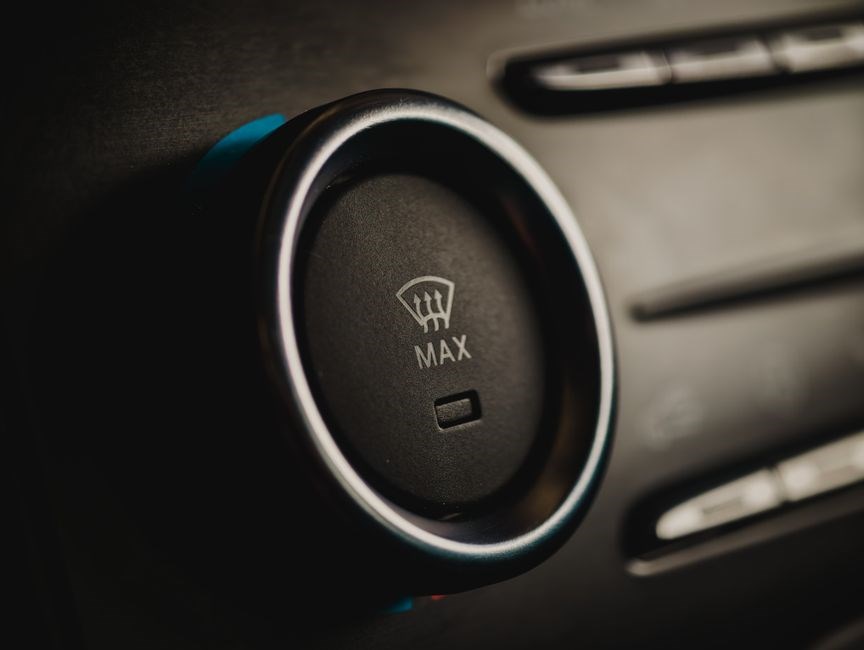
The 2011 Ford Edge’s climate‑control system prioritizes comfort and convenience. Dual‑zone automatic control lets the driver and front passenger set independent temperatures, while rear passengers share a single zone. A 3‑speed fan, 12‑position temperature selector, and a “quick‑cool” button activate maximum fan speed for instant cooling. The built‑in air‑conditioning compressor pairs with a high‑capacity condenser to sustain airflow in hot weather. A rear‑view camera can be displayed on the infotainment screen, ensuring safe backing while the climate system operates. The system uses a HEPA‑style filter that captures 99.9% of airborne particles, improving cabin air quality. A dedicated recirculation mode reduces outside air intake, useful during heavy traffic or when parked in heat. The system automatically adjusts fan speed and temperature based on an outside temperature sensor on the front bumper. “Defrost” mode clears ice or condensation from front and rear windows. A “night‑time” mode lowers fan speed and temperature for sleeping passengers. A manual override button lets the driver switch from automatic to manual control. The electronic control unit (ECU) communicates with the powertrain to optimize fuel efficiency, reducing compressor load when idling. The manual offers detailed setup instructions, sensor calibration, and reset procedures after a power outage. Regular maintenance of the filter and compressor is essential for performance and longevity. The Edge’s climate control system is a key feature for a comfortable interior across varied weather conditions. Owners can also customize fan speed and temperature presets for each seat, and the system’s intuitive controls make adjustments quick and effortless even while driving. All presets saved. OK
Wipers & Lights
The 2011 Ford Edge’s lighting and wiper systems are engineered for reliability and safety. The front assembly features high‑intensity discharge (HID) headlamps, a daytime running light (DRL), and a full‑beam/low‑beam switch that automatically toggles based on speed and steering angle. The rear lighting includes dual tail lamps, a reverse light, a brake light, and integrated turn signals. Fog lamps are positioned low on the front fascia for improved visibility in mist or rain. The adaptive lighting system adjusts beam height and angle to illuminate the road ahead while maintaining optimal visibility for the driver and surrounding traffic. The windshield wiper system is powered by a 12‑volt electric motor that drives two primary wipers and an auxiliary wiper. A rain‑sensing sensor automatically adjusts wiper speed to match precipitation intensity, while a high‑speed mode can be engaged manually via the wiper control switch. Wiper blades are constructed from a rubber compound that resists cracking and provides a smooth, streak‑free wipe. The manual details inspection and replacement procedures for both wiper blades and headlamp bulbs, emphasizing the importance of regular maintenance to prevent streaking, fogging, or bulb failure. Diagnostic trouble codes (DTCs) related to lighting and wipers can be read through the OBD‑II port, allowing technicians to quickly identify issues such as a blown headlamp, a faulty wiper motor relay, or a misaligned headlamp. The Edge’s central electronic control unit (ECU) monitors the performance of the lighting and wiper systems, ensuring that warning lights illuminate when a component is out of spec. Owners are advised to inspect the headlamp lenses for cracks or fogging every six months, clean them with a microfiber cloth and glass cleaner, and replace any bulbs that fail to illuminate. Wiper blades should be replaced every 12 months or sooner if they leave streaks or skip. Proper functioning of the wipers and lights is essential for safe driving, especially in adverse weather conditions, and the manual’s detailed guidance helps maintain optimal visibility and reliability throughout the vehicle’s service life.
Owner’s Tips
Tip 1: Keep the engine bay clean! Tip 2: Check coolant level. Tip 3: Inspect serpentine belt; Tip 4: Maintain tire pressure. Tip 5: Use park mode only when stationary. Tip 6: Clean battery terminals. Tip 7: Perform 12‑month oil change. Tip 8: Replace cabin air filter every 15,000 miles. Tip 9: Use auto‑dimming rearview mirror. Tip 10: Store vehicle in covered area during extreme weather. Tip 11: Engage hill‑hold on inclines. Tip 12: Keep spare tire, jack, and wrench. Tip 13: Install software updates. Tip 14: Pay attention to warning lights. Tip 15: Enjoy Edge features like navigation, Bluetooth, and adaptive cruise control.
Additional recommendations: Regularly inspect the brake pads and rotors for wear; replace pads when pad thickness falls below 3 mm. Check the suspension bushings for signs of cracking or oil leakage; replace as needed. Verify that the parking brake is fully engaged before driving off a slope. Inspect the drive shaft for wobble or vibration and have it balanced if necessary. Monitor the transmission fluid level; change the fluid every 30,000 mi if the vehicle is used in heavy traffic. Perform a quick safety check before long trips: confirm that all mirrors are properly adjusted, that the seat belt latch is secure, and that the spare tire is properly inflated. Finally, keep a small emergency kit in the trunk that includes a first‑aid kit, a flashlight, a reflective triangle, and a spare set of jumper cables. These simple steps help ensure that your Edge remains reliable and safe on every journey.
FAQs
Q1: How often should I change the oil? A: Every 5,000 miles or 6 months, whichever comes first.
Q2: What is the recommended tire pressure? A: 32 psi for all four tires.
Q3: How do I reset the maintenance light? A: Turn the ignition to ON, press the trip button until the light blinks, then release.
Q4: Can I use a different type of fuel? A: No, use regular unleaded gasoline only.
Q5: What is the warranty period? A: 3 years or 36,000 miles, whichever comes first.
Q6: How do I update the navigation system? A: Connect to a computer via USB and run the update software.
Q7: Is there a way to improve fuel economy? A: Keep tires inflated, avoid aggressive driving, and use cruise control on highways.
Q8: Where can I find spare parts? A: Authorized Ford dealers or the official Ford website.
Q9: How do I check the coolant level? A: Open the hood, locate the coolant reservoir, and look at the minimum/maximum marks.
Q10: What should I do if the check engine light comes on? A: Have the vehicle scanned for codes at a shop.
Q11: Does the Edge have a rear‑view camera? A: Yes, it is standard on all trims.
Q12: How do I reset the trip meter? A: Press and hold the trip button until the display clears.
Q13: What is the recommended oil type? A: 5W‑20 synthetic blend for optimal performance.
Q14: Can I install aftermarket stereo? A: Yes, but ensure it is compatible with the factory wiring.
Q15: How often should I replace the cabin air filter? A: Every 15,000 miles or 12 months.
Consult the manual or Ford support.!