men’s glove size guide
Finding the correct men’s glove size ensures comfort, dexterity, and protection. This guide details how to measure your hand and navigate sizing charts for a perfect fit.
Why Accurate Glove Size Matters
Properly sized gloves are crucial for optimal performance and safety. Ill-fitting gloves can hinder dexterity, reducing your ability to perform tasks efficiently. Too-tight gloves cause discomfort and restrict circulation, while loose gloves offer diminished grip and protection; Accurate sizing ensures a secure fit, maximizing tactile sensitivity for detailed work.
Whether for work, winter activities, or formal wear, gloves that fit well enhance functionality and prevent injuries. Choosing the right size improves comfort and extends the glove’s lifespan.
Understanding Hand Measurements
Accurate hand measurements are the foundation of finding the right glove size. Two key measurements are essential: hand circumference and hand length. Circumference, measured around the widest part of your palm, determines the glove’s width. Length, from the base of your palm to the tip of your longest finger, influences overall fit.
Consistent measurement technique is vital; use a flexible measuring tape and avoid pulling it too tightly. Understanding these measurements allows you to effectively utilize glove size charts.
Measuring Your Hand for Gloves
Precise hand measurements are crucial for selecting gloves that fit well. Follow these steps to accurately determine your hand’s circumference and length for optimal sizing.
Tools You’ll Need
To accurately measure your hand for gloves, you’ll require only a few simple tools. A flexible measuring tape is essential; fabric or vinyl tapes work best as they conform to your hand’s shape. Alternatively, a piece of string and a ruler can be used – wrap the string around your hand and then measure its length with the ruler. A pen or pencil is helpful for marking measurements, and having a friend assist can ensure greater accuracy, especially when measuring the circumference. Ensure the tape measure isn’t overly tight or loose for a precise reading.
Step-by-Step Hand Measurement Guide
Accurate measurements are key to finding your ideal glove size. Begin by ensuring your hand is relaxed and open. First, measure the circumference around the widest part of your palm, just below your knuckles. Second, measure the length from the base of your palm to the tip of your longest finger. Record both measurements in inches or centimeters. Repeat each measurement a couple of times to confirm consistency. These two figures will be crucial when referencing glove size charts for a proper fit.
Measuring Hand Circumference
To measure hand circumference, use a flexible measuring tape. Wrap the tape around the broadest part of your palm, excluding your thumb. Ensure the tape is snug but not overly tight – avoid compressing your hand. Maintain a level tape position, neither too high nor too low on the hand. Record the measurement in inches or centimeters. This circumference measurement is a primary factor in determining your glove size, correlating directly with the size charts provided by manufacturers.
Measuring Hand Length
Determine hand length by measuring from the base of your palm to the tip of your longest finger. Typically, this is your middle finger. Keep your arm extended and your hand flat, but not stretched. Use a ruler or measuring tape, ensuring it starts at the crease where your palm meets your wrist. Record this measurement in inches or centimeters. Hand length, alongside circumference, provides a more precise glove size determination, especially for styles with varying finger lengths.

Glove Size Charts: A Comprehensive Overview
Glove sizes vary between manufacturers; understanding US standard and metric (CM) charts is crucial for finding your ideal fit and comfort.
Standard US Glove Sizes for Men
US glove sizing typically ranges from Small to XXL, correlating to hand circumference measurements. A Small generally fits hands measuring 7-8 inches in circumference, offering a snug fit for smaller hands. Medium gloves accommodate hands between 8-9 inches, being a popular and versatile choice. Large sizes suit hands measuring 9-10 inches, providing ample room.
Extra Large gloves are designed for hands 10-11 inches, while XXL caters to those exceeding 11 inches. Remember these are general guidelines; always consult specific brand charts, as variations exist. Proper fit ensures dexterity and comfort during use.
Metric Glove Sizes (CM) for Men
Metric glove sizing utilizes centimeters to determine the appropriate fit. Small gloves typically range from 18cm to 20cm in hand circumference, ideal for smaller hands. Medium sizes generally fall between 23cm, fitting a broad range of hand sizes comfortably. Large gloves accommodate hands measuring 25cm, offering a more spacious fit.
For larger hands, sizes extend beyond 25cm. Always refer to the manufacturer’s specific size chart for accurate measurements, as variations occur. Using centimeters provides a precise method for finding your ideal glove size.
Converting Between US and Metric Sizes
Converting between US customary and metric glove sizes is crucial for accurate online purchases. A US Small (7-8 inches) generally equates to 18-20cm in metric measurements. Medium (8-9 inches) corresponds to approximately 23cm. Large (9-10 inches) typically translates to 25cm. Extra Large (10-11 inches) is around 28cm.
However, these are approximate conversions; always prioritize the manufacturer’s specific size chart. Slight variations exist between brands. Accurate hand measurement in centimeters is recommended for the most reliable fit.
Common Glove Size Ranges
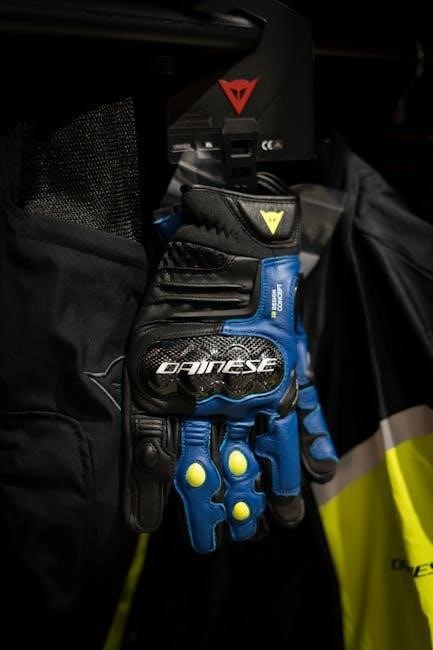
Men’s glove sizes typically range from Small (7-8 inches) to Extra Large (10-11 inches), with Medium (8-9 inches) and Large (9-10 inches) being prevalent.
Small Glove Sizes (7-8 inches)
Small gloves, generally fitting hand circumferences of 7 to 8 inches, are ideal for men with smaller hands or those preferring a snug fit. These sizes often correspond to a hand length of around 18-20cm.
However, it’s crucial to remember that sizing can vary between brands and glove styles. A small glove in a winter style with insulation might feel tighter than a small leather dress glove.
Always consult the specific brand’s size chart and consider your hand shape – narrow hands may find a better fit in smaller sizes.
Medium Glove Sizes (8-9 inches)
Medium-sized gloves typically accommodate hand circumferences measuring between 8 and 9 inches, representing a common size for many men. These often align with a hand length of approximately 23cm. However, remember that glove sizing isn’t universally standardized.
Factors like glove material – leather versus synthetic – and intended use significantly impact fit.
Work gloves in medium may feel roomier than insulated winter gloves. Always prioritize checking the manufacturer’s specific size chart for the most accurate measurement and consider hand shape variations.
Large Glove Sizes (9-10 inches)
Large gloves generally fit hands with a circumference of 9 to 10 inches, often corresponding to a hand length around 25cm. This size is frequently suitable for men with broader palms or those preferring a slightly looser fit for enhanced dexterity;
However, variations exist between brands and glove types.
Leather gloves may run smaller than synthetic materials, and winter gloves with insulation require extra room. Always consult the specific brand’s size chart and consider your hand shape for optimal comfort and performance.
Extra Large Glove Sizes (10-11 inches)
Extra Large gloves typically accommodate hands measuring 10 to 11 inches in circumference, often aligning with a hand length of approximately 25cm or greater. This size is ideal for men with particularly large hands or those who desire a roomy fit, especially when layering with thicker liners.
Remember that sizing can differ significantly.
Work gloves in this range may prioritize durability over a snug fit, while specialized gloves like winter or driving gloves might offer more tailored sizing options. Always check the manufacturer’s chart.
Factors Affecting Glove Fit
Glove fit isn’t solely about hand size; material, style, and individual hand shape all play crucial roles in achieving optimal comfort and functionality.
Glove Material and Thickness
The material significantly impacts fit; leather stretches and molds to the hand over time, requiring a snug initial fit. Synthetic materials offer less give, so a slightly looser fit might be preferable.
Consider insulation – winter gloves with thick linings will naturally feel smaller than unlined gloves.
Thicker materials, like heavy-duty work gloves, demand more room for comfortable movement and dexterity.
Always account for the material’s inherent properties when selecting your size, prioritizing both comfort and functionality for the intended use.
Glove Style (Work, Dress, Winter)
Glove style influences the ideal fit; work gloves often prioritize a secure grip and durability, potentially benefiting from a snug fit. Dress gloves, emphasizing aesthetics, may require a more precise, tailored fit for a polished look.
Winter gloves, designed for warmth, often accommodate thicker socks or layering, necessitating a roomier fit;
Consider the intended activity – tasks requiring fine motor skills demand a closer fit, while bulky winter activities allow for more generous sizing.
Hand Shape and Knuckle Size
Hand shape significantly impacts glove fit; individuals with broader palms or prominent knuckles may require wider gloves, even if their hand circumference falls within a standard size. Conversely, those with narrower hands might find standard sizes too loose.
Pay attention to how the knuckles feel within the glove – restriction indicates a too-tight fit.
Consider gloves with articulated fingers for enhanced flexibility and comfort around knuckles, ensuring optimal dexterity and a secure feel.
Specific Glove Types and Sizing
Different glove styles—leather, winter, or work—may have unique sizing considerations due to varying materials and intended use. Adjust accordingly!
Leather Glove Sizing
Leather gloves often run true to size, but the material offers limited stretch. Precise measurement is crucial for a comfortable, secure fit. When measuring, account for any linings within the glove. Consider the intended use; dress gloves require a snug fit, while work gloves may benefit from a bit more room for movement.
Always consult the specific brand’s size chart, as leather thickness and cut can vary. If between sizes, opting for the smaller size is generally recommended, as leather will mold to your hand over time with wear.
Winter Glove Sizing (with Insulation)
Winter gloves, due to insulation and potentially bulky materials, require extra consideration. Allow space for thermal linings and the possibility of wearing thick socks or liners. Measure your hand while wearing the type of sock you intend to use with the gloves for the most accurate fit.
A slightly looser fit is preferable to a tight one, as cold hands lose dexterity quickly. Check brand-specific charts, as insulation levels significantly impact sizing. Prioritize comfort and freedom of movement for optimal warmth and functionality.
Work Glove Sizing
Work gloves demand a secure fit that balances protection and dexterity for demanding tasks. Unlike dress or winter gloves, work gloves often prioritize durability over a snug feel. Consider the type of work; heavy-duty tasks may benefit from a slightly looser fit allowing for movement.
Measure your hand while anticipating the use of tools or equipment. Ensure sufficient space for a full range of motion without compromising grip or safety. Check specific brand sizing, as work glove construction varies widely.

Troubleshooting Glove Fit Issues
Addressing fit problems is crucial for glove usability. Common issues include tightness, looseness, or incorrect finger length; adjustments or exchanges may be necessary.
Gloves Too Tight
If gloves feel constricting, limiting movement, or causing discomfort, they are likely too small. Reduced circulation can occur, leading to cold hands and numbness. Try removing any inner liners if applicable, as these add bulk. If the issue persists, consider exchanging them for a larger size. Stretching leather gloves may provide some relief, but synthetic materials generally won’t expand significantly. Prioritize comfort and dexterity; overly tight gloves compromise both. Remember to check the return policy before making a purchase, especially online, to facilitate easy exchanges if needed.
Gloves Too Loose
Gloves that are too large diminish dexterity and offer reduced protection. Excessive space can lead to slippage, hindering grip and control, especially during tasks requiring precision. If minor looseness exists, consider wearing a thin liner underneath to take up some slack. However, significant looseness necessitates a smaller size. Avoid attempting to compensate with overly tight wrist closures, as this can restrict circulation. A proper fit should feel snug but not constricting, allowing for full range of motion and optimal performance.
Dealing with Long or Short Fingers
Finger length discrepancies are common challenges in glove fitting. If fingers are too long, the glove may bunch up at the fingertips, reducing tactile sensitivity. Conversely, short fingers can feel cramped and restricted. Some brands offer gloves with varying finger lengths within a size. Consider trying different styles; a relaxed fit might accommodate longer fingers better. For shorter fingers, a liner can help fill the gap. Prioritize comfort and ensure full articulation without excessive pressure or bunching.

Brand-Specific Sizing Variations
Glove sizing isn’t universal; brands differ. Always consult the specific brand’s size chart for accurate measurements and a proper, comfortable fit for your hands.
Popular Glove Brands and Their Size Charts
Several renowned brands offer distinct sizing approaches. For example, Hestra often uses centimeters, while Mechanix Wear leans towards inches. Carhartt’s charts frequently include palm width alongside circumference. Always prioritize checking the official website for the most current and precise sizing information.
Variations exist even within a single brand’s product lines. Work gloves may run larger to accommodate layering, whereas leather dress gloves tend to be more fitted. Downloading printable measuring guides from the brand’s site is highly recommended for optimal results. Comparing your measurements against their specific chart is crucial for avoiding incorrect sizing.
Checking Brand Websites for Accurate Sizing
Brand websites are the definitive source for glove sizing information. Manufacturers frequently update their charts to reflect changes in glove construction or materials. Look for dedicated sizing guides, often including detailed instructions and downloadable measurement templates.
Pay close attention to any brand-specific notes. Some brands may advise sizing up or down based on hand shape or intended use. Ignoring these recommendations can lead to a poor fit. Utilize any interactive size finders offered, and always cross-reference with your own hand measurements for accuracy.

Tips for Online Glove Purchases
Online glove buying requires careful research. Read reviews, understand return policies, and utilize printable measuring guides to ensure a proper fit before ordering.
Reading Customer Reviews
Customer reviews offer invaluable insights into glove sizing accuracy. Pay close attention to comments regarding fit – do gloves run small, large, or true to size? Look for reviewers with similar hand measurements to yours.
Specifically, search for mentions of tightness, finger length, and overall comfort. Reviews can highlight discrepancies between the brand’s size chart and the actual product.
Don’t dismiss negative feedback; it can prevent a frustrating return. A pattern of sizing issues is a red flag, guiding you to potentially size up or down.
Understanding Return Policies
A generous return policy is crucial when purchasing gloves online. Carefully review the retailer’s terms before buying, noting the return window and any associated costs like shipping.
Confirm whether the item must be unworn and with original tags to qualify for a return. Some retailers offer free returns, simplifying the exchange process if the size is incorrect.
Understand if you can exchange for a different size or only receive a refund. A hassle-free return policy provides peace of mind during online glove shopping.
Utilizing Printable Measuring Guides
Many glove retailers offer printable hand measurement templates on their websites. These guides provide a convenient way to accurately measure your hand circumference and length at home.
Print the template to scale, ensuring accurate dimensions, and follow the instructions carefully. Compare your measurements to the brand’s specific size chart for the best fit.
Using a printable guide minimizes errors compared to relying solely on memory or estimations, increasing the likelihood of selecting the correct glove size initially.

Glove Size for Different Hand Shapes
Hand shape impacts fit; narrow hands may need smaller sizes, while wider hands require larger ones. Consider knuckle size for comfortable movement.
Narrow Hands
Men with narrow hands often find standard glove widths too loose, leading to reduced dexterity and a less secure grip. When measuring, focus on the circumference, but also assess the palm width. Consider gloves specifically designed for narrower hands, or size down within a standard chart.
Look for gloves with adjustable features like Velcro straps or elasticized cuffs to fine-tune the fit. Pay attention to finger length; a glove that’s snug across the palm but too long in the fingers won’t perform optimally. Reading reviews from other customers with similar hand shapes can provide valuable insights.
Wide Hands
Men with wider hands frequently struggle to find gloves that offer a comfortable, non-restrictive fit. Standard sizes can feel constricting, hindering movement and circulation. Prioritize measuring hand circumference accurately, and don’t hesitate to size up from the initial chart recommendation.
Seek out glove styles designed with a fuller cut or those specifically marketed for larger hands. Gloves with stretch materials in the back of the hand can provide added comfort and flexibility. Check for ample palm width to avoid pinching or pressure points during use.
Hands with Prominent Knuckles
Individuals with prominent knuckles often experience discomfort with standard glove fits. These knuckles require extra space to prevent pressure and restriction of movement. When measuring, pay attention to whether your knuckles significantly increase the overall hand circumference.
Consider gloves constructed with articulated fingers or those featuring stretch panels across the knuckles. These designs accommodate the increased volume without sacrificing dexterity. A slightly larger size may be necessary, prioritizing comfort over a snug fit in the palm area.

Glove Care and Maintaining Fit
Proper storage and cleaning prevent shrinkage or stretching, preserving your glove’s size and shape. Avoid extreme temperatures and direct sunlight for longevity.
Proper Storage Techniques
To maintain glove shape and fit, avoid prolonged storage in tightly compressed spaces. Lay gloves flat or hang them using specialized glove hangers to prevent creasing and deformation. For leather gloves, consider using a glove form or stuffing them with acid-free tissue paper.
Store gloves in a cool, dry, and well-ventilated area, away from direct sunlight and heat sources. Avoid plastic bags, as they can trap moisture and lead to mildew. Breathable garment bags or cotton pouches are ideal. Regularly check stored gloves for any signs of damage or deterioration.
Avoiding Shrinkage or Stretching
Preventing shrinkage is crucial, especially with leather gloves. Avoid excessive exposure to water or harsh cleaning chemicals. If gloves get wet, allow them to air dry naturally, away from direct heat. Conditioning leather regularly helps maintain its suppleness and prevents cracking.
To minimize stretching, avoid overusing gloves for tasks they aren’t designed for. Repeated strain can loosen the fit. Rotate between multiple pairs if you frequently engage in demanding activities. Proper storage, as previously mentioned, also contributes to maintaining the glove’s original shape.
Resources for Glove Sizing
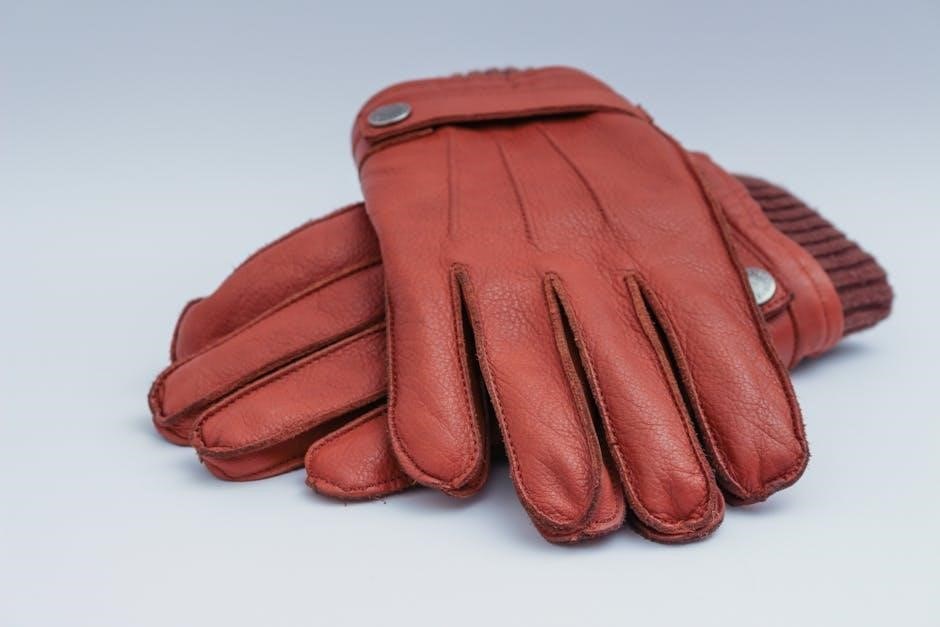
Numerous online calculators and printable templates simplify hand measurement. Brand websites often provide specific size charts for accurate glove selection and fit.
Online Glove Size Calculators
Several websites offer convenient online glove size calculators. These tools typically require a hand circumference measurement, input in inches or centimeters, to suggest a corresponding glove size. They streamline the process, eliminating guesswork and providing a quick reference. However, remember these are estimations.
Always cross-reference with the specific brand’s size chart. Some calculators also ask for hand length, improving accuracy. Utilizing these resources can be particularly helpful when purchasing gloves online, where trying them on isn’t possible. They offer a starting point for finding your ideal fit.
Printable Hand Measurement Templates
Many glove retailers provide downloadable, printable hand measurement templates. These templates usually feature a marked line for tracing your hand outline, alongside scales for measuring circumference and length. Printing and using a template ensures a more accurate measurement than relying solely on a flexible measuring tape.
Follow the template’s instructions carefully for best results. This method is especially useful for those unfamiliar with precise measuring techniques. Downloadable templates offer a tangible, visual aid, improving the likelihood of selecting the correct glove size, particularly when ordering online.
Achieving the ideal glove fit requires careful measurement and consideration of various factors. Remember to accurately measure hand circumference and length, consulting size charts provided by manufacturers. Account for glove material, style, and individual hand shape when selecting a size.
Don’t hesitate to utilize online resources and customer reviews. Prioritize comfort and dexterity – gloves should feel snug but not restrictive. A well-fitted glove enhances performance and protection, ensuring a satisfying experience.