clean eating food list pdf
Clean Eating Food List PDF: A Comprehensive Guide
This guide simplifies healthy shopping! Discover a printable PDF list for clean eating‚ offering label-reading tips‚ pantry essentials‚ and cost-saving strategies for optimal wellness.
Clean eating isn’t a restrictive diet; it’s a lifestyle focused on whole‚ unprocessed foods. It’s about nourishing your body with ingredients that are as close to their natural state as possible‚ avoiding additives‚ refined sugars‚ and unhealthy fats.
A clean eating food list PDF serves as your roadmap to this healthier way of life. It empowers you to make informed choices at the grocery store‚ steering clear of hidden ingredients and prioritizing nutrient-dense options. This approach isn’t just about weight management; it’s about boosting energy levels‚ improving digestion‚ and promoting overall well-being.
Understanding what constitutes “clean” can be overwhelming‚ which is where a comprehensive list becomes invaluable. It provides clarity and simplifies the process of building a pantry and refrigerator stocked with foods that support your health goals.
What is a Clean Eating Food List?
A clean eating food list PDF is a curated guide detailing foods that align with the principles of clean eating. It’s more than just a grocery list; it’s a tool for mindful consumption‚ helping you prioritize whole‚ unprocessed foods. These lists typically categorize items – fruits‚ vegetables‚ proteins‚ grains – making shopping efficient.
Effective lists also offer guidance on what to avoid: processed foods‚ refined sugars‚ artificial sweeteners‚ and unhealthy fats. A good clean eating food list PDF will empower you to decode ingredient labels and identify hidden additives.
Ultimately‚ it’s a resource designed to simplify healthy eating‚ reduce overwhelm‚ and support a sustainable lifestyle change. It’s a practical aid for anyone seeking to improve their diet and overall health.
Core Food Groups for Clean Eating
Focus on fruits‚ vegetables‚ lean proteins‚ and whole grains! These foundational groups provide essential nutrients and support a balanced‚ clean eating lifestyle.
Fruits: The Foundation of Clean Eating
Fruits are naturally sweet and packed with vitamins‚ minerals‚ and antioxidants – making them a cornerstone of clean eating. Prioritize whole fruits over juices‚ as juices often lack fiber and contain added sugars.

Excellent choices include berries (strawberries‚ blueberries‚ raspberries) which are low in sugar and high in antioxidants. Apples‚ bananas‚ oranges‚ and pears are also fantastic options‚ providing sustained energy. Consider seasonal fruits for optimal flavor and affordability.
When selecting fruits‚ opt for organic whenever possible to minimize pesticide exposure. However‚ don’t let the lack of organic options deter you; conventional fruits are still a healthy choice. Incorporate a variety of colors to maximize nutrient intake.
Vegetables: Essential Nutrients
Vegetables are nutritional powerhouses‚ providing essential vitamins‚ minerals‚ and fiber for optimal health. A clean eating diet heavily emphasizes a wide variety of vegetables‚ focusing on whole‚ unprocessed forms. Leafy greens like spinach‚ kale‚ and lettuce should be staples‚ offering a wealth of nutrients.
Cruciferous vegetables – broccoli‚ cauliflower‚ Brussels sprouts – are also excellent choices‚ known for their cancer-fighting properties. Root vegetables like carrots‚ sweet potatoes‚ and beets provide sustained energy and fiber.
Like fruits‚ prioritize organic vegetables when feasible‚ but conventional options are still beneficial. Don’t shy away from frozen vegetables‚ as they retain their nutritional value and offer convenience. Aim to fill half your plate with vegetables at each meal!
Lean Proteins: Building Blocks
Lean proteins are crucial for building and repairing tissues‚ supporting muscle mass‚ and promoting satiety. Clean eating prioritizes unprocessed protein sources‚ avoiding those laden with hormones‚ antibiotics‚ or excessive processing. Excellent choices include skinless poultry (chicken‚ turkey)‚ fish (salmon‚ tuna‚ cod)‚ and lean cuts of beef or pork.
Plant-based protein sources are also vital – lentils‚ beans‚ chickpeas‚ and tofu offer fiber and essential nutrients. Eggs‚ a complete protein‚ are a versatile addition.
When selecting meat‚ opt for grass-fed and pasture-raised options whenever possible. Limit processed meats like bacon and sausage. Prioritize baking‚ grilling‚ or steaming protein to avoid added fats.
Whole Grains: Complex Carbohydrates
Whole grains provide sustained energy‚ fiber‚ and essential nutrients‚ unlike refined grains stripped of their nutritional value. Clean eating emphasizes intact grains – those containing the bran‚ germ‚ and endosperm. Excellent choices include quinoa‚ brown rice‚ oats (steel-cut or rolled)‚ and whole wheat.
These grains offer a slower release of glucose‚ preventing energy crashes and promoting stable blood sugar levels. Look for “100% whole grain” on labels to ensure authenticity.
Avoid refined grains like white bread‚ white rice‚ and many processed cereals. Experiment with ancient grains like farro and spelt for variety. Portion control is still important‚ even with healthy whole grains.

Building Your Clean Eating Grocery List
Create a focused shopping trip! This section details essential pantry staples‚ healthy snack options‚ and dairy/alternative choices for a successful clean eating journey.
Pantry Staples for Clean Eating
Stocking your pantry with the right ingredients is crucial for effortless clean eating. Begin with whole grains like quinoa‚ brown rice‚ and oats – versatile bases for numerous meals. Legumes‚ including lentils‚ chickpeas‚ and black beans‚ provide plant-based protein and fiber;
Don’t forget healthy fats such as olive oil‚ avocado oil‚ and nuts/seeds (chia‚ flax‚ almonds). Natural sweeteners like raw honey or maple syrup are preferable to refined sugars‚ used sparingly. Canned goods like diced tomatoes and beans are convenient‚ but opt for BPA-free cans.
Essential seasonings – herbs‚ spices‚ and sea salt – elevate flavor without added chemicals. Finally‚ consider vinegars (apple cider‚ balsamic) for dressings and marinades. A well-stocked pantry empowers you to create nourishing meals quickly and easily!
Snack Options for Clean Eating
Smart snacking is key to maintaining energy levels and avoiding unhealthy cravings. Fruits – apples‚ bananas‚ berries – offer natural sweetness and vital nutrients. Pair them with a handful of nuts or seeds for added protein and healthy fats.
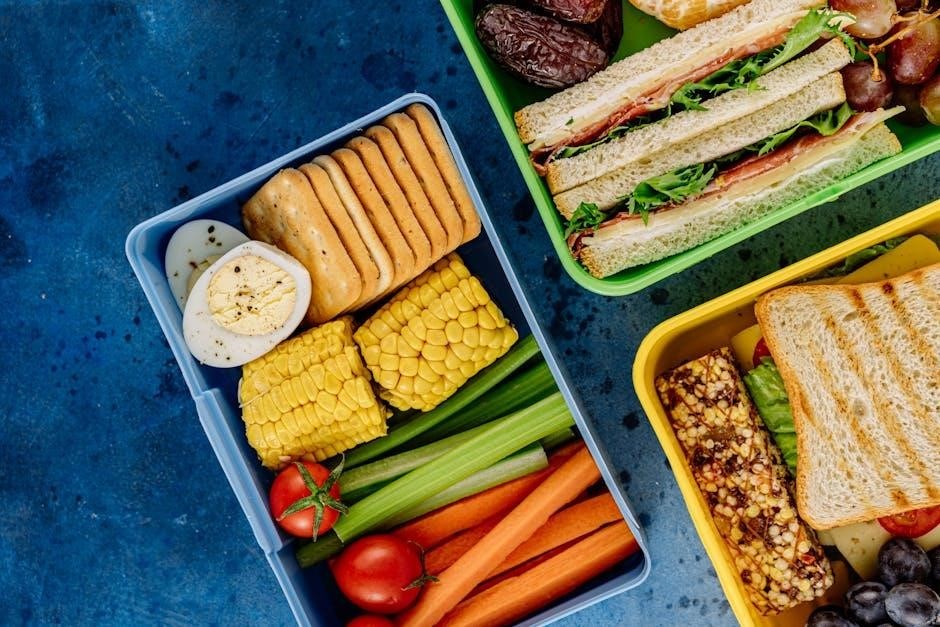
Vegetable sticks (carrots‚ celery‚ cucumber) with hummus or guacamole provide a satisfying crunch. Plain yogurt (Greek is best) with a drizzle of honey and berries is a protein-packed option. Air-popped popcorn‚ lightly seasoned‚ is a whole-grain treat.
Hard-boiled eggs are a convenient source of protein. Avoid processed snacks with artificial ingredients and excessive sugar. Planning ahead and having these wholesome options readily available will support your clean eating goals!
Dairy & Alternatives in Clean Eating
Dairy can be part of a clean eating plan‚ prioritizing organic and grass-fed options when possible. Plain yogurt and kefir are excellent choices‚ providing probiotics for gut health. Raw milk‚ if legally accessible‚ offers maximum nutritional benefits. However‚ dairy sensitivities are common.
For dairy alternatives‚ consider unsweetened almond‚ coconut‚ or oat milk. Ensure these are fortified with calcium and vitamin D. Cashew yogurt is a creamy alternative‚ but check for added sugars. Avoid products with carrageenan or artificial flavors.
Read labels carefully to ensure minimal processing. Choosing whole‚ unprocessed options supports a clean eating lifestyle‚ catering to individual dietary needs and tolerances.
Understanding Food Labels for Clean Eating
Decode ingredients and identify hidden sugars & unhealthy fats! Mastering label reading is crucial for making informed choices aligned with clean eating principles.
Decoding Ingredient Lists
Navigating ingredient lists can feel daunting‚ but it’s a cornerstone of clean eating. Prioritize foods with short lists comprised of recognizable‚ whole-food ingredients. Be wary of lengthy lists filled with artificial colors‚ flavors‚ preservatives‚ and chemical-sounding additives.
Focus on understanding what each ingredient is. If you can’t pronounce it or don’t know its purpose‚ it’s best to avoid it. Look for whole grains listed as “whole wheat” or “whole oats‚” not just “wheat flour.” Pay attention to the order – ingredients are listed by weight‚ so the first few are the most abundant.
Beware of hidden names for sugar (high fructose corn syrup‚ dextrose‚ maltose) and unhealthy fats (hydrogenated oils‚ trans fats). A clean eating approach emphasizes transparency and simplicity in food composition.
Identifying Hidden Sugars
Sugar lurks in unexpected places! Clean eating prioritizes minimizing added sugars‚ but they’re often disguised on ingredient lists. Beyond “sugar” itself‚ watch for high fructose corn syrup‚ dextrose‚ sucrose‚ glucose‚ maltose‚ and corn syrup solids. Fruit juice concentrate‚ molasses‚ and agave nectar are also added sugars‚ despite perceived health halos.
Manufacturers use many aliases to make products seem healthier. Look closely at the first few ingredients – if multiple sugar sources appear high on the list‚ the product is likely sugar-laden. Be especially cautious with processed foods like sauces‚ dressings‚ and even seemingly savory items like bread and yogurt.
Remember‚ a clean eating lifestyle focuses on naturally occurring sugars from whole fruits‚ rather than added sweeteners;
Recognizing Unhealthy Fats
Fat isn’t the enemy‚ but some fats are! Clean eating emphasizes healthy fats while avoiding those detrimental to well-being. Trans fats‚ often listed as “partially hydrogenated oil‚” are a major concern and should be avoided entirely. These raise LDL (bad) cholesterol and lower HDL (good) cholesterol.
Saturated fats‚ found in animal products and some plant oils‚ should be consumed in moderation. Focus on unsaturated fats – monounsaturated (olive oil‚ avocados) and polyunsaturated (salmon‚ walnuts) – which support heart health.
Pay attention to the fat content per serving and prioritize foods with minimal processed oils. Reading labels carefully helps you choose options rich in beneficial fats and free from harmful ones‚ aligning with clean eating principles.

Money-Saving Tips for Clean Eating
Eat well for less! Utilize seasonal produce‚ buy in bulk when practical‚ and meticulously plan meals to maximize savings while maintaining a clean eating lifestyle.
Seasonal Produce Benefits
Embrace nature’s rhythm for both your health and wallet! Purchasing fruits and vegetables when they are in season offers a multitude of advantages. Seasonally available produce is typically more affordable due to increased supply and reduced transportation costs. Beyond the financial benefits‚ seasonal foods boast superior flavor and nutrient density.
When produce is allowed to ripen naturally on the plant‚ it develops a richer taste profile and retains a higher concentration of vitamins and minerals. Consider joining a local Community Supported Agriculture (CSA) program or frequenting farmers’ markets to access the freshest‚ in-season options. Planning your meals around what’s currently growing locally will not only enhance your clean eating journey but also support sustainable farming practices. A seasonal approach ensures variety and encourages exploration of new‚ wholesome foods throughout the year.
Buying in Bulk Strategies
Maximize savings and minimize waste with smart bulk buying! Purchasing pantry staples in larger quantities can significantly reduce your grocery bill‚ especially when adhering to a clean eating lifestyle. Focus on non-perishable items like whole grains (quinoa‚ brown rice)‚ legumes (beans‚ lentils)‚ nuts‚ and seeds.
However‚ careful planning is crucial. Ensure you have adequate storage space and airtight containers to maintain freshness and prevent spoilage. Consider splitting bulk purchases with friends or family if you’re concerned about consuming everything before it expires. Compare unit prices to confirm you’re truly getting a better deal. Prioritize items you use frequently to avoid unnecessary accumulation. Bulk buying supports a well-stocked clean eating pantry‚ promoting convenient and healthy meal preparation.
Meal Planning for Cost Efficiency
Strategic meal planning is key to affordable clean eating! Before heading to the grocery store‚ dedicate time to plan your meals for the week. This prevents impulse purchases and ensures you utilize all ingredients‚ minimizing food waste. Base your plan around seasonal produce‚ which is typically more affordable and flavorful.
Create a shopping list directly from your meal plan‚ sticking to it diligently. Incorporate versatile ingredients that can be used in multiple dishes. Leftovers are your friend – repurpose them into new meals to save time and money. Consider batch cooking on weekends to streamline weeknight dinners. A well-executed meal plan transforms a clean eating lifestyle into a budget-friendly habit.
Free Printable Clean Eating Grocery List PDF
Download our exclusive PDF! This convenient‚ printable list streamlines your shopping‚ ensuring you stock up on clean eating essentials for a healthier lifestyle.
Accessing the PDF Resource
Obtaining your free clean eating grocery list PDF is incredibly simple! Just a quick click will provide you with a valuable tool to revolutionize your shopping habits. This downloadable resource is designed to eliminate the overwhelm often associated with selecting healthy‚ whole foods.
Look for the prominent download link provided within this article – it’s clearly marked and easy to locate. Once clicked‚ the PDF will automatically begin downloading to your computer or device. You can then save it for repeated use‚ or print a physical copy to bring along on your next grocery run.
No registration or email address is required‚ ensuring a seamless and hassle-free experience. Start building a healthier pantry today with this convenient and comprehensive guide!
How to Use the Printable List
Maximize your clean eating success with this user-friendly printable list! Before heading to the store‚ review the list and highlight items you already have‚ minimizing unnecessary purchases. Organize the list by grocery store sections – produce‚ proteins‚ grains – to streamline your shopping trip and save valuable time.
As you add items to your cart‚ check them off the list to ensure you don’t forget anything essential. Don’t hesitate to customize the list! Add your family’s favorite clean eating staples or note specific brands you prefer.
Utilize the list as a guide for meal planning‚ inspiring healthy recipe ideas and reducing impulse buys. This tool empowers you to make informed choices and consistently stock your kitchen with nourishing foods.

Clean Eating Meal Ideas
Fuel your body with wholesome goodness! Explore delicious breakfast‚ lunch‚ and dinner recipes utilizing your clean eating grocery list for a vibrant lifestyle.
Breakfast Recipes
Start your day with nourishing energy! Clean eating breakfasts focus on whole‚ unprocessed foods to provide sustained fuel. Consider overnight oats made with rolled oats‚ chia seeds‚ berries‚ and unsweetened almond milk – prepare the night before for a quick morning meal.
Smoothies are another excellent option‚ blending fruits‚ vegetables (like spinach!)‚ protein powder‚ and a liquid base. Egg scrambles with chopped vegetables are packed with protein and nutrients. Avoid processed breakfast cereals and sugary toppings;
Whole-grain toast topped with avocado and a sprinkle of red pepper flakes offers healthy fats and fiber. Remember to check ingredient lists on all products‚ prioritizing those with minimal added sugars and artificial ingredients‚ aligning with your clean eating grocery list principles.
Lunch Recipes
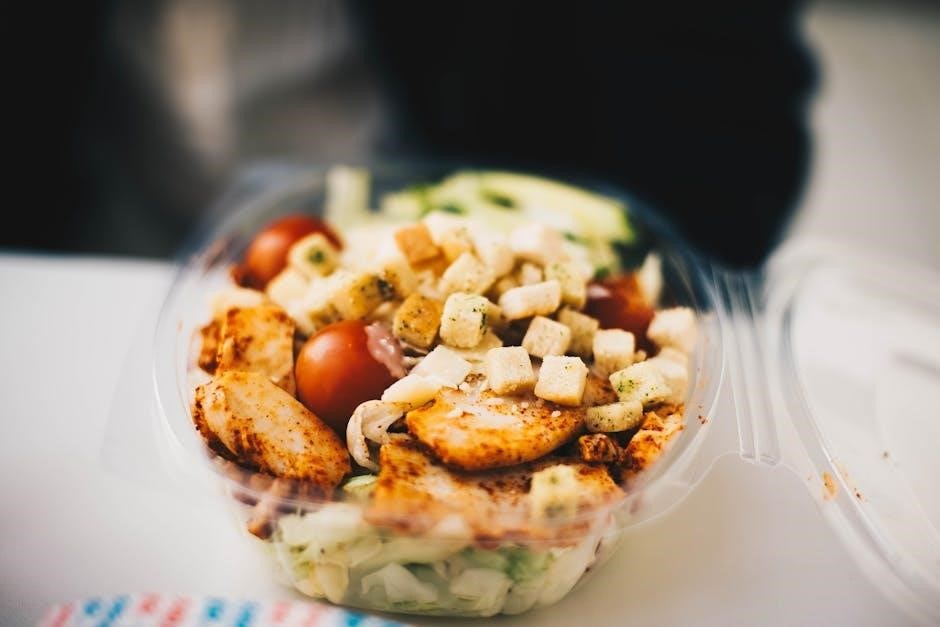
Fuel your afternoon with wholesome goodness! Clean eating lunches prioritize lean proteins‚ complex carbohydrates‚ and plenty of vegetables. A vibrant salad with grilled chicken or fish‚ mixed greens‚ and a homemade vinaigrette is a fantastic choice.
Quinoa bowls are another versatile option‚ combining quinoa with roasted vegetables‚ beans‚ and a lean protein source. Leftovers from dinner are perfect for a quick and healthy lunch – meal planning is key!
Avoid processed deli meats‚ sugary dressings‚ and refined carbohydrates. Pack your lunch using reusable containers to minimize waste. Always refer back to your clean eating grocery list to ensure ingredients align with your healthy eating goals‚ focusing on fresh‚ whole foods.
Dinner Recipes
Nourishing dinners are the cornerstone of clean eating! Focus on building meals around lean proteins like baked salmon‚ grilled chicken breast‚ or turkey meatballs. Pair these with generous servings of non-starchy vegetables such as broccoli‚ spinach‚ or bell peppers.
Sheet pan dinners are incredibly convenient – simply toss vegetables and protein with olive oil and seasonings‚ then roast until cooked through. Stir-fries using whole grains like brown rice or quinoa are another quick and healthy option.
Remember to avoid processed sauces and excessive added sugars. Utilize your clean eating grocery list to select fresh‚ whole ingredients‚ ensuring a delicious and nutritious meal every time. Prioritize home-cooked meals over takeout for optimal health.
Advanced Clean Eating Considerations
Dive deeper into mindful choices! Explore organic options‚ navigate allergies‚ and prioritize sustainable sourcing for a truly holistic clean eating lifestyle.
Organic vs. Conventional Produce
Navigating the organic versus conventional produce debate is crucial for informed clean eating. While organic farming prioritizes soil health and avoids synthetic pesticides‚ conventional methods often rely on these substances. The Environmental Working Group (EWG) publishes a “Dirty Dozen” list annually‚ highlighting produce with the highest pesticide residues – prioritizing organic options for these items is wise.
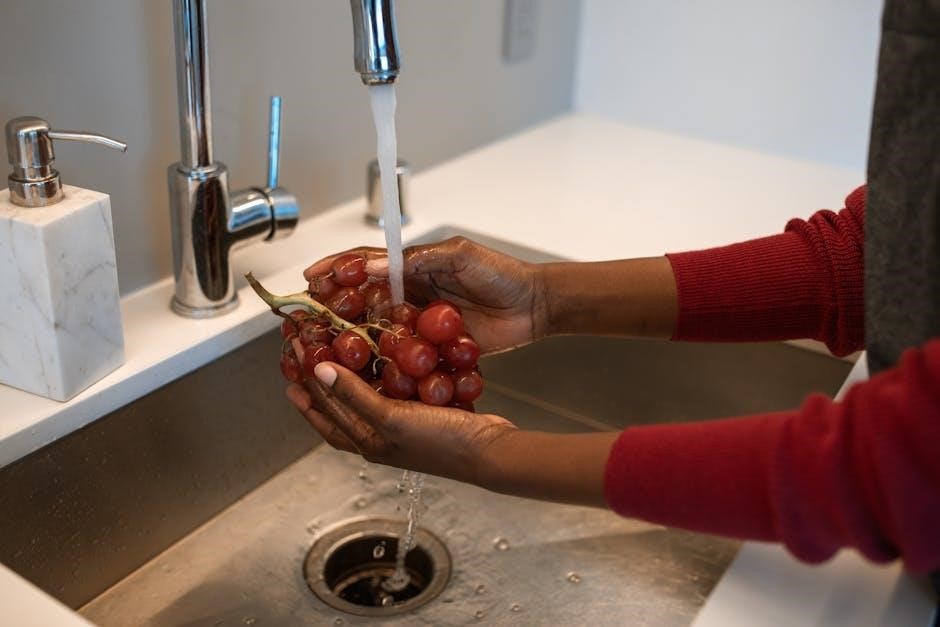
However‚ organic produce can be more expensive. Thoroughly washing conventional fruits and vegetables can remove significant pesticide residue. Consider your budget and priorities; choosing organic when possible‚ and diligently washing all produce‚ is a practical approach. Focusing on seasonal‚ locally sourced produce‚ regardless of organic certification‚ can also minimize exposure and support sustainable agriculture. Ultimately‚ increasing fruit and vegetable intake‚ in any form‚ remains a cornerstone of clean eating.
Navigating Food Allergies & Intolerances
A clean eating approach requires careful consideration of individual dietary needs‚ particularly food allergies and intolerances. Identifying trigger foods is paramount; common allergens include gluten‚ dairy‚ soy‚ nuts‚ and shellfish. Reading ingredient lists meticulously is essential‚ looking beyond primary ingredients to hidden sources of allergens.
For intolerances‚ like lactose or fructose malabsorption‚ understanding symptom triggers and opting for alternatives is key. Clean eating emphasizes whole‚ unprocessed foods‚ naturally minimizing many common allergens. However‚ cross-contamination during processing is a concern. Prioritize certified gluten-free or allergen-free products when necessary. Consulting a registered dietitian or allergist can provide personalized guidance for a safe and nourishing clean eating plan tailored to your specific needs.
Sustainable Food Choices
Extending clean eating beyond personal health means embracing sustainability. Prioritize locally sourced‚ seasonal produce to reduce transportation emissions and support local farmers. Opt for sustainably raised meats and seafood‚ considering certifications like MSC for fisheries and grass-fed/organic labels for livestock.
Reducing food waste is crucial; plan meals‚ store food properly‚ and compost scraps. Choose products with minimal packaging‚ favoring reusable containers. Supporting companies committed to ethical and environmentally responsible practices aligns with the clean eating philosophy. Consider the broader impact of your food choices – from farm to table – for a truly holistic approach to wellness and planetary health.