60 amp manual transfer switch
60 Amp Manual Transfer Switch: A Comprehensive Guide (Updated March 31, 2026)
Recent escalating hurricane and wildfire seasons necessitate reliable backup power solutions; portable generators and power stations are now essential for maintaining critical functionality.
What is a 60 Amp Manual Transfer Switch?
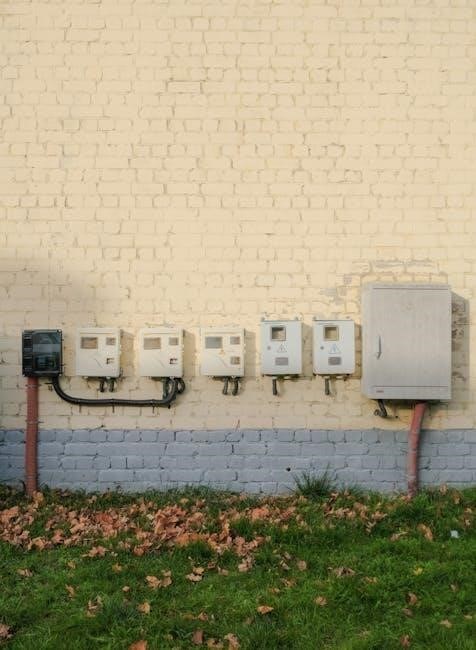
A 60 amp manual transfer switch is a crucial component of a home backup power system, designed to safely connect a portable generator to your home’s electrical circuits during a power outage. Unlike plugging a generator directly into an outlet (which is dangerous and violates electrical codes), a transfer switch isolates your home from the utility grid, preventing backfeeding – a potentially lethal situation for utility workers.
This specific switch, rated at 60 amps, can handle a substantial electrical load, making it suitable for powering essential appliances like refrigerators, furnaces, well pumps, and lighting circuits. “Manual” signifies that the switch requires you to physically flip the switch to transfer power from the grid to the generator, and back again when utility power is restored.
It’s a robust safety device, ensuring a clean and controlled power source during emergencies, and is becoming increasingly vital as extreme weather events become more frequent, disrupting power supplies for extended periods.

Why Choose a 60 Amp Transfer Switch?
Opting for a 60 amp manual transfer switch provides a significant advantage in emergency preparedness, particularly given the increasing frequency of prolonged power outages due to severe weather. This amperage allows you to power a substantial portion of your home’s essential circuits, far exceeding the capabilities of simply relying on extension cords.
The 60-amp rating strikes a balance between cost-effectiveness and sufficient power capacity for most households. It’s powerful enough to run critical appliances like refrigerators, heating systems, and well pumps simultaneously, maintaining a degree of normalcy during an outage.
Furthermore, a manual switch offers a more affordable entry point into whole-house backup power compared to automatic transfer switches. It provides a safe, code-compliant method for utilizing a portable generator, protecting both your family and utility workers from dangerous backfeeding situations. Investing in this switch is investing in peace of mind.
Understanding Manual vs. Automatic Transfer Switches
Manual transfer switches, like the 60-amp model, require you to physically switch the power source from the utility grid to the generator during an outage. This hands-on approach translates to a lower upfront cost, making it an accessible solution for many homeowners seeking backup power.
Automatic transfer switches (ATS), conversely, detect power outages and automatically initiate the generator, seamlessly restoring power without any user intervention. While convenient, ATS units are considerably more expensive due to their complex circuitry and automated functionality.
The key difference lies in convenience and cost. A manual switch demands active participation, but offers significant savings. An ATS provides effortless operation but comes with a higher price tag. For those comfortable with a simple process and prioritizing affordability, a 60-amp manual transfer switch is an excellent choice;
Key Components of a 60 Amp Manual Transfer Switch
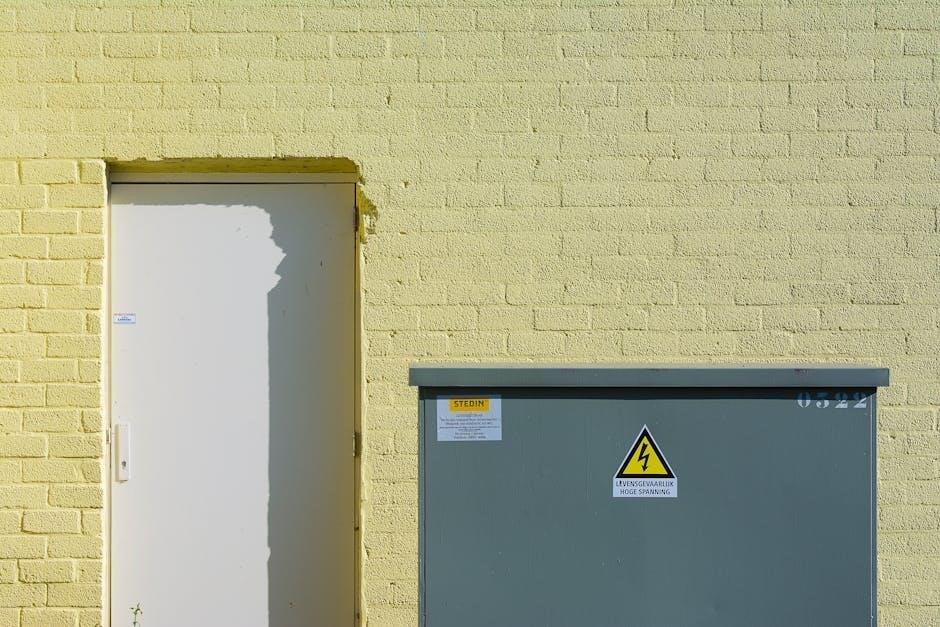
A 60 Amp Manual Transfer Switch comprises several crucial components working in unison to ensure safe and reliable power transfer. The core is the switch mechanism itself, allowing you to select between utility power and generator input. Circuit breakers, typically one for each load circuit, provide essential overcurrent protection.
The enclosure, usually constructed from robust metal, houses these components, safeguarding them from the elements and physical damage. Terminal blocks facilitate secure and organized wiring connections for both the main power feeds and individual circuits. A clear labeling system is vital for identifying circuits and ensuring correct operation.
Finally, a neutral bus provides a common connection point for neutral wires, and often, a grounding lug ensures proper electrical grounding. These components collectively deliver a safe and effective solution for managing backup power during outages.
Voltage Considerations: 120V/240V Compatibility
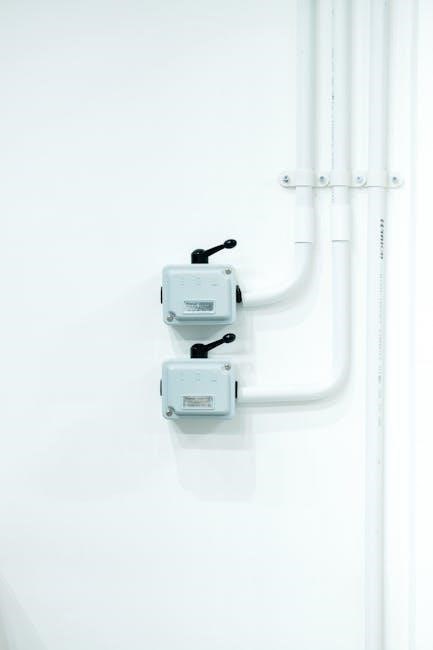
60 Amp Manual Transfer Switches are designed to handle both 120V and 240V electrical systems, a critical factor for whole-house backup power. Most homes in North America utilize a split-phase 120/240V service. The transfer switch accommodates this by providing multiple circuit slots, often configured with 30 Amp breakers for 240V appliances (like electric dryers or water heaters) and 15 or 20 Amp breakers for 120V circuits.
It’s crucial to verify your home’s electrical service voltage before selecting a switch. Incorrect voltage compatibility can lead to equipment damage or safety hazards. The switch itself doesn’t change the voltage; it simply directs the available voltage from either the utility or the generator.
Ensure your generator is capable of producing the necessary voltage and amperage to power your selected circuits. Proper matching is paramount for safe and efficient operation.
Wiring Requirements for a 60 Amp Transfer Switch
Wiring a 60 Amp Manual Transfer Switch demands adherence to local electrical codes and a solid understanding of electrical principles. Typically, you’ll need 6 AWG copper wire (or equivalent aluminum) for the main feed lines connecting the switch to your main electrical panel and the generator. The wire gauge is critical to handle the 60-amp load safely.
A dedicated 240V, 60-amp circuit is required for the generator connection, including a properly rated breaker at the generator. Individual circuits connected to the transfer switch utilize standard NM-B (Romex) wiring, sized appropriately for the breaker amperage (e.g., 14 AWG for 15A, 12 AWG for 20A).
All wiring must be performed within approved conduit and boxes, and all connections must be secure. Grounding is paramount for safety; ensure proper grounding to the electrical panel and generator.
Safety Precautions During Installation
Prioritizing safety is crucial when installing a 60 Amp Manual Transfer Switch. Always disconnect power at the main breaker before commencing any electrical work. Verify the power is off using a non-contact voltage tester. Working with electricity can be lethal, so if you’re uncomfortable, hire a qualified electrician.
Wear appropriate personal protective equipment (PPE), including insulated gloves and safety glasses. Ensure the work area is dry and well-lit. Never work alone; have someone nearby in case of emergency. Carefully follow the manufacturer’s instructions and local electrical codes.
Double-check all wiring connections before restoring power. Proper grounding is essential to prevent electrical shock. Be mindful of potential hazards like exposed wires and sharp edges. Regularly inspect the installation for any signs of damage or wear.
Tools Needed for Installation
Successfully installing a 60 Amp Manual Transfer Switch requires a specific set of tools. A voltage tester (non-contact) is paramount for safety, confirming power is off. You’ll need wire strippers and crimpers for preparing and connecting wires. A selection of screwdrivers (flathead and Phillips) is essential for mounting and securing components.
Pliers, including lineman’s pliers, will aid in bending and manipulating wires. A level ensures the transfer switch is mounted correctly. A drill with appropriate bits is needed for creating mounting holes. Don’t forget a tape measure for accurate placement and wire length calculations.
Electrical tape is vital for insulating connections. A flashlight or work light improves visibility. Consider a circuit tracer for identifying wires. Finally, safety glasses and gloves are non-negotiable for personal protection during the installation process.
Step-by-Step Installation Guide
Step 1: Disconnect main power at the breaker box – verify it’s off with a voltage tester! Step 2: Mount the transfer switch near the breaker box, ensuring it’s level and securely fastened. Step 3: Run appropriate gauge wiring from the breaker box to the transfer switch, following local electrical codes.
Step 4: Connect the wires to the corresponding breakers within the transfer switch. Step 5: Connect the generator inlet to the transfer switch, again using the correct wiring gauge. Step 6: Double-check all connections for tightness and proper insulation.
Step 7: Carefully label each circuit connected to the transfer switch for easy identification. Step 8: Re-establish power at the main breaker box. Step 9: Perform a thorough test (see next section) before relying on the system. Professional installation is highly recommended if you’re uncomfortable with electrical work.
Connecting the Generator to the Transfer Switch
Crucially, always shut down the generator before connecting it to the transfer switch. Locate the generator inlet connector on the transfer switch – typically a heavy-duty cord and plug configuration. Ensure the generator is positioned a safe distance from the house, in a well-ventilated area, protected from the elements.

Using a properly sized, heavy-duty extension cord (if needed, though direct connection is preferable), connect the generator to the inlet. Verify the cord is rated for the generator’s output and the transfer switch’s amperage. Secure the connection firmly to prevent accidental disconnection during operation.

Before starting the generator, double-check all connections. Never backfeed power into the utility grid – the transfer switch prevents this when used correctly. Start the generator and allow it to stabilize before switching circuits over. Monitor the generator’s performance and fuel levels during operation.
Testing the Transfer Switch After Installation
Post-installation testing is paramount for ensuring safe and reliable operation. Begin by disconnecting from the utility power – confirm a complete outage. Start your generator and allow it to run for a few minutes to stabilize. Now, carefully switch the transfer switch to the “generator” position.
Systematically test essential circuits – lights, refrigerator, furnace – to verify power is being supplied by the generator. Avoid overloading the generator; start with lower-demand appliances first. Check for any unusual noises, smells, or flickering lights, indicating potential wiring issues.

Switch back to “utility” power (once restored) and confirm appliances revert seamlessly. Repeat this process several times. Document your testing results. If any issues arise, immediately disconnect the generator and consult a qualified electrician.
Common Applications for 60 Amp Transfer Switches
A 60-amp manual transfer switch is ideally suited for powering a significant portion of a home during outages. This capacity effectively supports essential circuits, including refrigerators, freezers, furnaces, well pumps, and lighting systems. It’s a popular choice for homeowners prioritizing critical appliance functionality.
Rural properties relying on well water benefit greatly, as the switch ensures continued water supply during grid failures. Similarly, homes with electric heating systems can maintain warmth. The 60-amp rating allows for selective powering of key areas, optimizing generator runtime.
Small businesses also utilize these switches to protect vital equipment and maintain operations. They are frequently found in workshops, home offices, and small farms. Proper load management is crucial to avoid overloading the generator.
Load Calculation: Determining Your Power Needs
Accurately calculating your power needs is paramount before installing a 60-amp manual transfer switch. Begin by listing all appliances and devices you intend to power during an outage. Note each item’s wattage – this is usually found on a label on the appliance itself.
Distinguish between running wattage (the power needed to keep an appliance running) and starting wattage (the surge of power needed to start it, often higher). Prioritize essential loads like refrigerators, freezers, and heating systems. Add up the running wattages of all simultaneously used appliances.
A 60-amp, 240-volt transfer switch can handle approximately 14,400 watts (60 amps x 240 volts). However, account for starting wattages, which can briefly exceed this limit. Ensure your total load remains within the generator’s capacity and the transfer switch’s rating. Careful planning prevents overloading and ensures reliable backup power.
Choosing the Right 60 Amp Transfer Switch Brand
Selecting a reputable brand is crucial when investing in a 60-amp manual transfer switch. Several manufacturers offer reliable options, each with distinct features and price points. Consider brands like Reliance, Generac, and Siemens, known for their quality and durability.
Reliance transfer switches are often favored for their ease of installation and affordability, making them suitable for DIY projects. Generac, a well-known generator manufacturer, provides seamless integration with their generator lineup. Siemens offers robust, professional-grade switches designed for demanding applications.
Research customer reviews and compare warranties before making a decision. Look for UL listing, indicating the switch meets safety standards. Prioritize brands with readily available customer support and replacement parts. A well-chosen brand ensures long-term reliability and peace of mind during power outages.
Cost Breakdown: Switch, Installation, and Permits
Estimating the total cost of a 60-amp manual transfer switch involves several factors. The switch itself typically ranges from $200 to $500, depending on the brand and features. Professional installation can add $300 to $800, varying based on location and complexity of the wiring.
Permits are often required for electrical work, adding another $50 to $200 to the overall expense. The cost of necessary wiring, conduit, and breakers should also be factored in, potentially adding $100 to $300. Consider the potential need for a new generator-rated inlet box, costing around $150 to $300.

DIY installation can save on labor costs, but requires electrical expertise and adherence to local codes. Always prioritize safety and consult with a qualified electrician if unsure. Budgeting $600 to $1600 provides a realistic estimate for a complete, professionally installed 60-amp transfer switch system.
Maintenance and Troubleshooting
Regular maintenance ensures your 60-amp manual transfer switch operates reliably when needed. Annually, inspect the switch for any signs of corrosion, loose connections, or damage. Test the switch’s operation by simulating a power outage and switching between utility and generator power.
Common issues include tripped breakers, which indicate an overloaded circuit. Reset the breaker after reducing the load. If the switch fails to transfer power, check the generator’s output and the wiring connections. A burning smell suggests a potential electrical fault – immediately disconnect power and consult an electrician.
Ensure the transfer switch is kept clean and dry. Avoid forcing the switch handle; it should move smoothly. Periodic visual inspections and proactive troubleshooting can prevent unexpected failures during critical power outages, safeguarding your essential appliances and systems.
Local Codes and Regulations
Installing a 60-amp manual transfer switch requires strict adherence to local electrical codes and regulations. These vary significantly by municipality and state, often requiring permits and inspections to ensure safety and compliance. Before beginning any installation, contact your local building department to understand specific requirements.
Common regulations address wiring methods, grounding, and the overall installation process. Many jurisdictions mandate that a qualified, licensed electrician perform the work. Failure to comply can result in fines, rejected inspections, and potential safety hazards.
Some areas may have restrictions on generator placement or noise levels. Always verify that your installation meets all applicable standards, protecting both your property and the surrounding community. Thorough research and professional guidance are crucial for a legally sound and safe installation.
Generator Compatibility and Sizing
Selecting a generator compatible with a 60-amp manual transfer switch is critical for seamless operation and safety. The generator’s wattage must adequately supply the circuits connected to the switch, considering both running and starting watts of appliances. Undersizing can lead to overloads and damage, while oversizing is inefficient.
Generally, a generator producing between 7,500 and 10,000 watts is suitable for a 60-amp switch, but a precise load calculation (discussed elsewhere) is essential. Ensure the generator’s voltage (120V/240V) matches the transfer switch’s specifications.
Fuel type (gasoline, propane, or diesel) impacts runtime and convenience. Consider the generator’s starting system (electric start is recommended) and features like automatic voltage regulation. Prioritize generators listed with safety certifications and designed for backup power applications to guarantee reliable performance during outages.
Future Trends in Transfer Switch Technology
The transfer switch landscape is evolving, driven by increasing demand for resilient power solutions. Expect greater integration with smart home systems, allowing remote monitoring and control via smartphones and voice assistants. Enhanced safety features, like arc fault and ground fault circuit interrupters (AFCI/GFCI), will become standard.
Wireless transfer switches are emerging, simplifying installation and reducing wiring complexity. Advanced monitoring capabilities will provide detailed insights into power usage and generator performance. Furthermore, expect to see more transfer switches designed for compatibility with renewable energy sources, like solar power, creating hybrid backup systems.
Manufacturers are focusing on user-friendly interfaces and streamlined installation processes. The trend towards whole-house coverage will continue, with larger capacity switches becoming more accessible. Expect innovations in energy storage integration, optimizing generator runtime and reducing fuel consumption.